
 Home
Home



Winter Spiti Expedition: Complete Spiti Valley Snow Travel Itinerary, Budget & Safety Guide
08 Dec 2025
Winter Spiti Expedition: Complete Spiti Valley Snow Travel Itinerary, Budget & Safety Guide
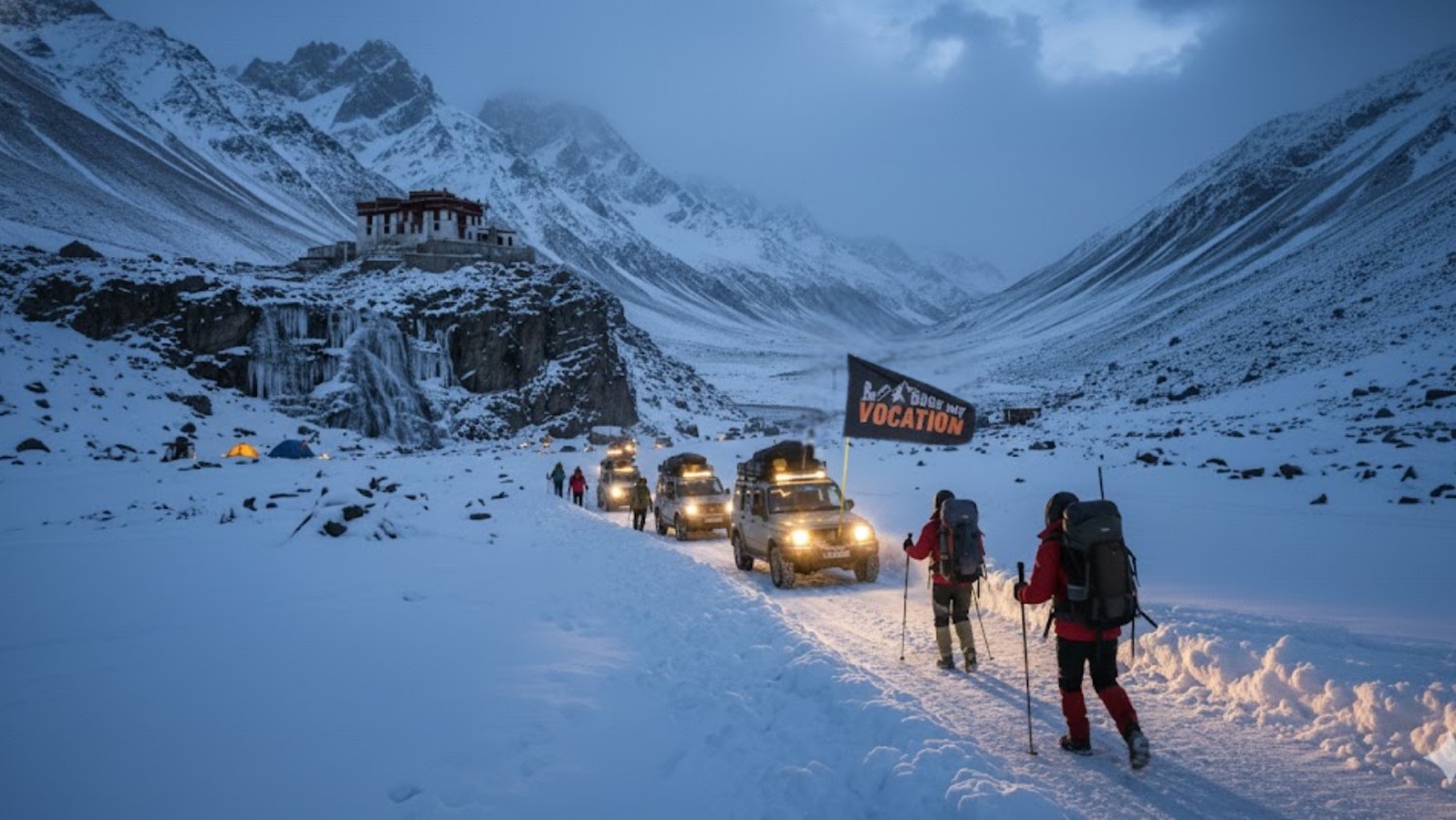
One of the most extreme and beautiful excursions in the Himalayas is a Winter Spiti Expedition. While much of India gets ready for the winter warmth, Spiti Valley turns into a frozen white wonderland. Snow blankets the mountains, slippery roads engulf the settlements, and thick blankets of snow bury the ancient monasteries. Temperatures can dip as low as –20°C to –35°C.
This blog has everything you need for a winter Spiti Valley trip, including a full itinerary, information on winter road conditions, prices, safety suggestions, what to bring and what not to bring, and the finest spots to visit in Spiti in the winter.
Why go to Spiti Valley in the winter?
The best time to experience the true splendour of Spiti Valley is winter. Winter Spiti differs from summer Spiti in the following ways:
1. Full Snow Experience
There is pristine white snow on every settlement, from Narkanda to Kalpa and Tabo to Kaza
2. There are no crowds of tourists
Winter Spiti has quiet, peaceful landscapes that haven't been touched.
3. You can see wildlife in the winter.
People go to villages like Kibber and Chicham to see snow leopards.
4. Frozen Lakes and Monasteries
Check out the beautiful frozen Nako Lake, frozen waterfalls, and monasteries wrapped in snow.
5. The Ultimate Adventure Road Trip
The best winter adventure journey is one with snow-covered roads, tight winter routes, black ice, and treacherous bends.
Best route and road conditions for Spiti in the winter
Rohtang and Kunzum When it snows a lot, the only road that is open is Chandigarh → Shimla → Narkanda → Sangla → Chitkul → Kalpa → Nako → Tabo → Kaza.
BRO keeps this road open all year long, except when there is a lot of snow.
Day 1: From Chandigarh to Shimla to Narkanda
- You start your Winter Spiti Expedition with a beautiful drive through Shimla and thick pine trees.
- Narkanda is where you should stay.
Day 2: Sangla to Narkanda
- Go into the magnificent Kinnaur Valley and enjoy the snow-covered roads that lead to the magical Sangla Valley.
- Sangla is where you should stay.
Day 3: From Sangla to Chitkul to Kalpa
- Go to Chitkul, the last village in India, which is completely covered with snow in the winter.
- Keep going to Kalpa, where you may see Kinner Kailash in all its glory.
Day 4: From Kalpa to Tabo
- Drive deeper into Spiti Valley via frozen rivers, freezing bridges, and winter scenery.
- Visit the old Tabo Monastery, which is more than 1,000 years old.
- Tabo is where you'll stay.
Day 5: From Tabo to Dhankar to Kaza
- Go to the amazing Dhankar Monastery, which is set on a cliff.
- Welcome to Kaza, the winter centre of Spiti.
- Kaza is where you should stay.
Day 6: Kaza → Hikkim → Komic → Langza -> Kaza
- Check out Spiti's tallest villages in the winter.
- Hikkim is the highest post office in the world.
- Komic is one of the highest villages that you can drive to.
- Langza is renowned for its huge Buddha statue.
- Stay: Kaza
Day 7: Kaza to Key Monastery to Kibber to Chicham to Kaza
- Some of the best parts of the Winter Spiti Expedition are:
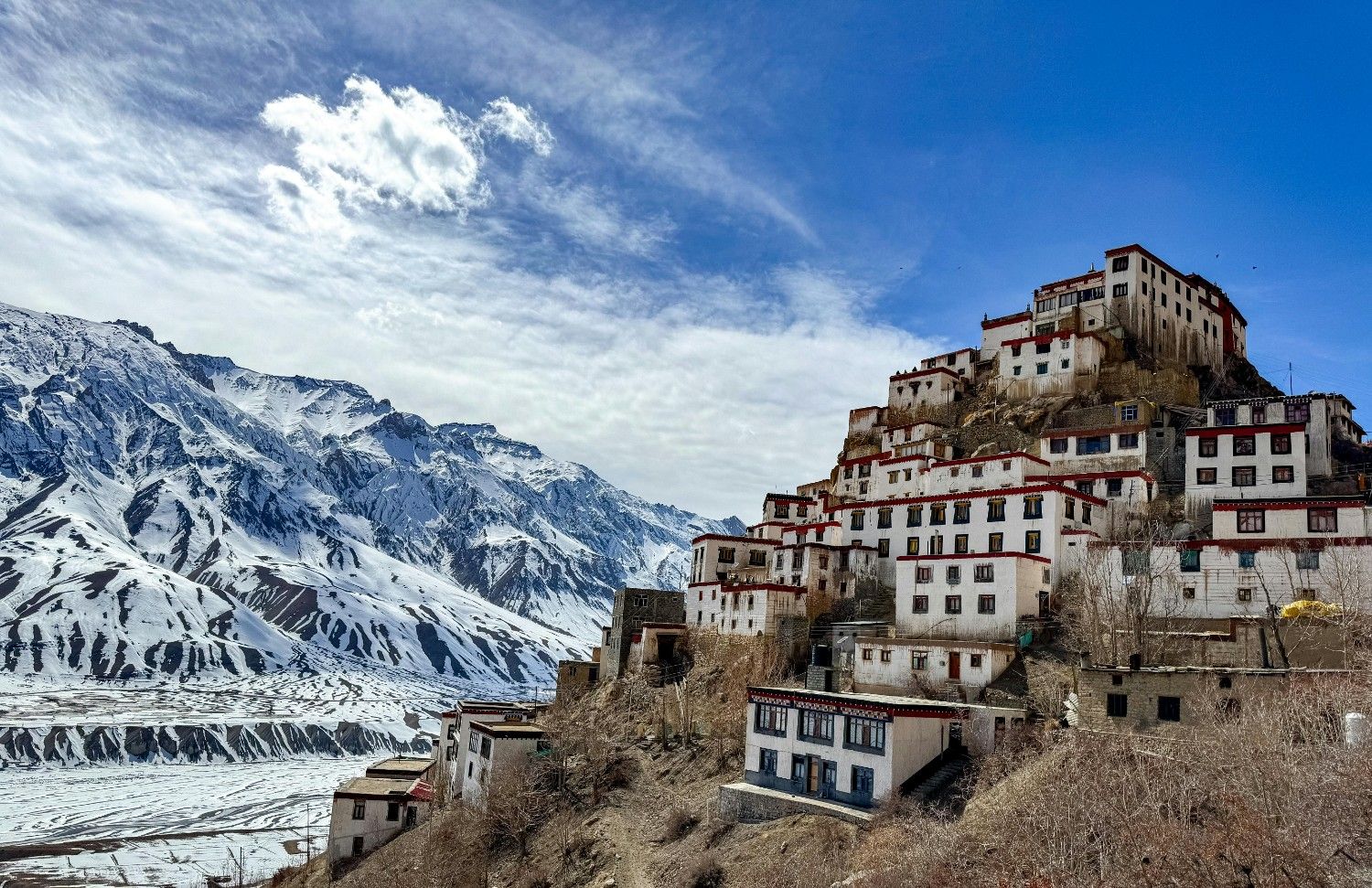
- Key Monastery covered in snow
- Kibber Village is a wonderful place to see snow leopards.
- Chicham Bridge is the highest suspension bridge in Asia.
- Stay: Kaza
Day 8: Kaza to Kalpa to Shimla (Drop)
-
Return across snowy landscapes to finish your winter Spiti Valley circle.
Prices for the Winter Spiti Expedition:
Pick your winter fun vehicle:
Type of Vehicle Price (Per Person)
₹33,500 for a Toyota Hilux
₹29,500 for a Maruti Jimny or Thar
Both SUVs are made for harsh winter roads, so they are as safe and comfortable as possible.
Inclusions
Your Winter Spiti Expedition package includes:
- Staying in hotels or residences that are good for winter
- The package includes breakfast and dinner.
- Getting around in a Hilux, Jimny, or Thar
- Driver with expertise driving in the Himalayas in the winter
- Permits for the Winter Spiti route
- Basic first aid and oxygen are available.
- All sightseeing is according to the plan.
Exclusions
- Lunch is not included.
- Costs for personal use
- Things you can do if you want to
- Check in early or check out late
Guide to Staying Safe on a Winter Spiti Expedition
You need to get ready to travel to Spiti in winters. These are some things you should do:
1. Wear the Right Winter Clothes:
Thermals, fleece jackets, heavy down jackets, waterproof gloves, wool hats, and snow boots.
2. Stay hydrated:
Staying hydrated helps lower the risk of AMS.
3. Don't overdo it:
The height of Spiti ranges from 10,000 to 14,000 feet.
4. Drive a strong SUV:
Cars like the Hilux, Thar, and Jimny are superior at driving on black ice.
5. Stay in homes that are ready for winter:
They give you heaters, warm food, and protection from the cold.
6. Roads can close at any time:
Always plan for one extra day of travel in the winter.
Best Places to Visit :
- Market in Kaza
- Bridge Chicham
- Kibber Village
- Post Office in Hikkim
- Monastery of Komic
- Statue of Buddha Langza
- Monastery of Tabo
- Chitkul (optional, depending on the snow)
- Nako's Frozen Lake
When there is a lot of snow on the ground, all of these areas look much more beautiful.
Why a Winter Spiti Expedition Is Worth It:
- The Scenery Looks Like It Came Straight Out of a Postcard
- Experience the pure white Himalayan desert
- A paradise for people who love adventure
- Himalayan communities in their most natural and lovely state
- Great for taking pictures and seeing animals
- A once-in-a-lifetime adventure that few people try
Last Thoughts
A Winter Spiti Expedition is more than just a vacation; it is a journey into one of the most magnificent frozen deserts in the world. And with Book My Vocation, this journey becomes even more meaningful, safe, and unforgettable.
Spiti in winter is the purest way to experience the Himalayas—snow-covered mountains, ancient monasteries, frozen lakes, and untouched high-altitude communities that remain beautifully preserved. Whether you are a passionate photographer, a thrill-seeking adventurer, or someone who simply loves exploring raw natural beauty, Book My Vocation ensures your winter Spiti Valley experience becomes a memory that stays with you for a lifetime.
Recent Blogs
Winter Spiti Expedition: Complete Spiti Valley Snow Travel Itinerary, Budget & Safety Guide
One of the most extreme and beautiful excursions in the...[ ]
Explore Rajasthan: A Trip Through India's Royal History
Rajasthan is more than just a state; it is a...[ ]
Explore Kashmir: A Journey Through Heaven on Earth
Kashmir is the only place that fits the phrase "Heaven...[ ]
Winter Spiti Expedition: A Snow Drive to the Frozen Himalayas
The Winter Spiti Expedition is the perfect adventure for you...[ ]